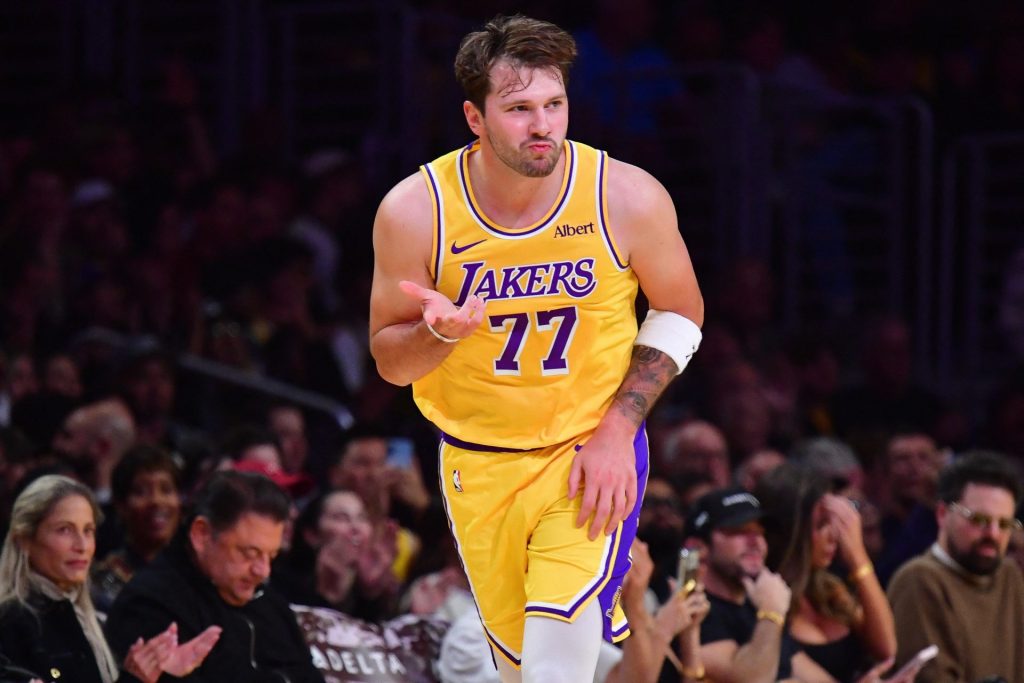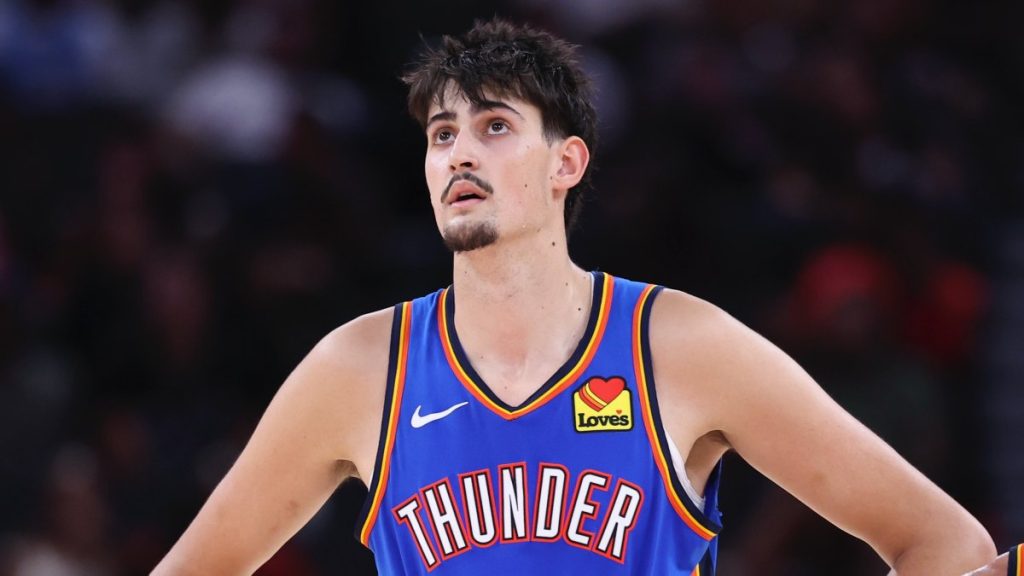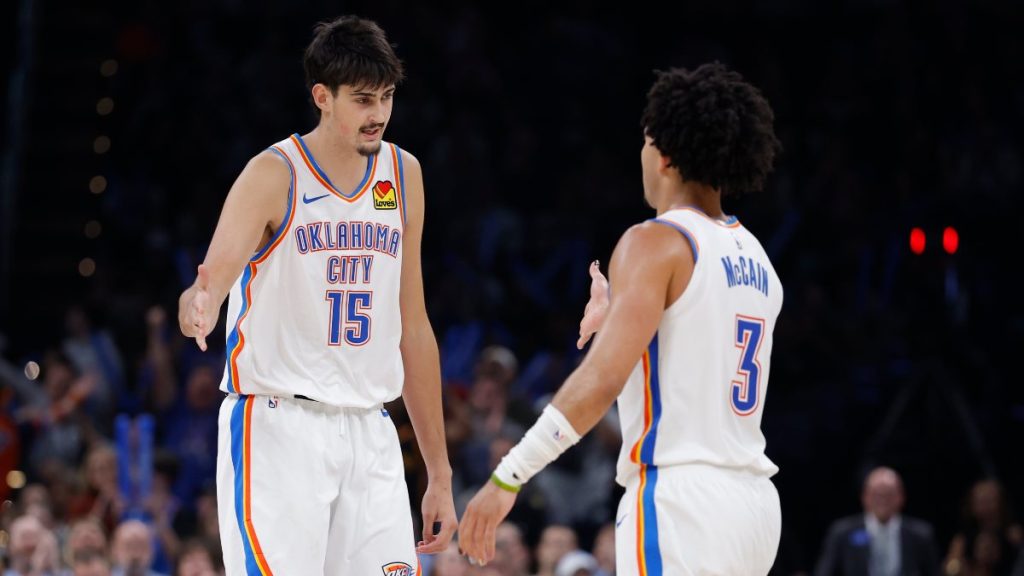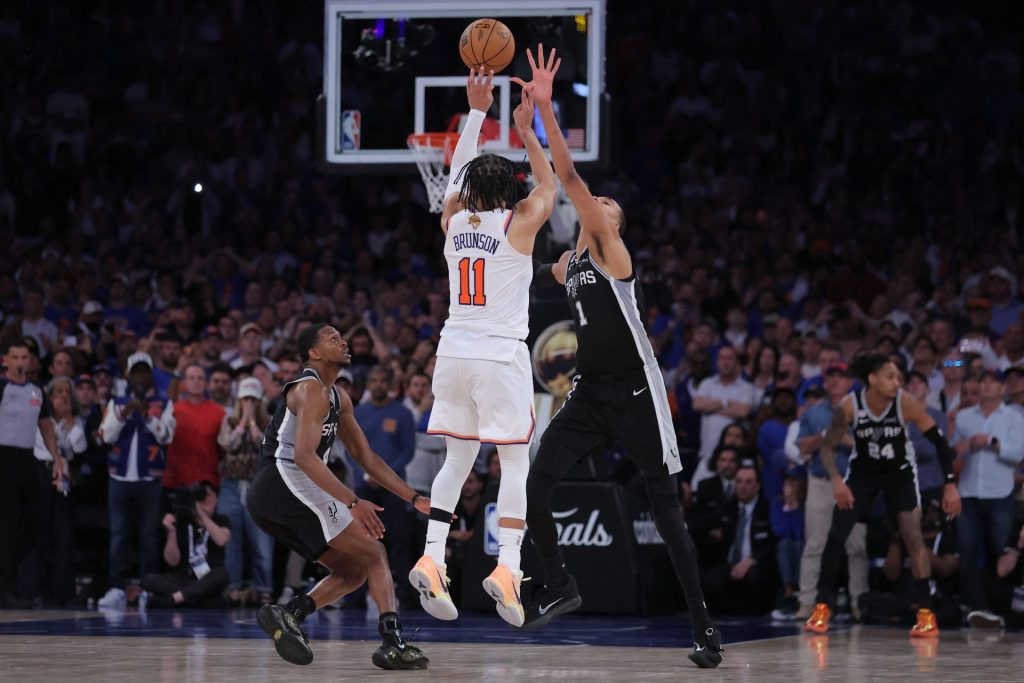
Performing at your peak on the court is only a small part of what life as a professional athlete involves. Behind the cameras lies a whole universe of routines and quiet effort: the real difference between a brilliant career and a brief spell in the game lies in the habits most people never even imagine.
It is striking how, away from the court, the decisive factor is often discipline in rest, prevention and daily care of one’s own body. It is no surprise that many see these practices as the true engine of athletic longevity.
Incidentally, there is more and more talk these days about the use of natural CBD from IberoHemp.com as part of strategies for physical wellbeing. The interest it is generating is no coincidence: those looking to supplement their recovery find in this shop’s products a sustainable, controlled way of exploring new solutions.
Whether in the form of oils with natural aromas, organic flowers such as Amnesia CBD or innovative resins, it is easy to be tempted to try alternatives that respect the authenticity of hemp. Shops of this kind have won the trust of natural-product enthusiasts thanks to fast delivery and honest returns policies.
The more classic techniques, such as physiotherapy and massage, remain the bread and butter for many athletes, of course. However, with the rise in global availability of options, some have chosen to add CBD to their routines, always under medical supervision.
It is worth noting that institutions such as the Spanish Agency for Food Safety and Nutrition have regulated these supplements in the European Union, and further details can be found in the AESAN report on cannabinoids, which clears up quite a few questions about regulation and safety.
At the same time, the view of bodies such as the World Health Organization is key to understanding the scope of these new practices. Although CBD is not considered dangerous and dependence rarely appears, it would make little sense to use it in a sports recovery routine without doctors monitoring the process, according to the WHO questions and answers on cannabidiol. In the end, caution never goes amiss, and even the experts insist that any new supplement must be tailored to each athlete’s individual characteristics.
Physical recovery therapies and natural alternatives
Right, returning to the subject of routines, it is worth remembering that applying ice, heat and stretching after tough days is almost compulsory. On top of that come specific exercises to activate dormant muscles after long breaks or journeys. There is no single method that works for everyone: the secret, as is often the case, lies in constant personalisation.
Traditional medication still has its place in the locker rooms, but interest in complementary methods such as CBD keeps growing, with some describing it as an “extra support” rather than a cure-all.
How they manage sleep and constant travel
Sleeping well seems a simple trick but, when travelling from city to city, the body struggles to adjust. Instinctively, many athletes learn tricks to maintain their REM cycles and the quality of their rest: measures such as controlling the room temperature, avoiding bright lights before bed or scheduling calculated naps are as common as they are invisible to the public eye.
Strategies to reduce the impact of travel
Not a few people compare time-zone disruption to being on a rollercoaster, and the build-up of games intensifies the challenge. Doctors and physiotherapists become a bit like pilots and flight coordinators: they try to limit jet lag with body-clock protocols designed for each fixture list.
What measures do they take during night flights?
- Walking up and down the aisles every so often.
- Doing stretches guided by professionals.
- Wearing compression socks.
- Making the most of natural light as soon as they arrive at their destination.
Nutritional planning and managing competitive stress
At the table, the rules are constantly changing. Some have chefs and advisers who fine-tune their diet and nutritional training to the millimetre, always seeking the tightest balance between protein, carbohydrates and salts. Others prefer to rely on traditional advice, prioritising simple but effective foods to replenish energy.
| Key element | Application strategy | Main benefit |
|---|---|---|
| Protein and carbohydrates | Controlled intake after the game | Tissue repair |
| Electrolytes | Personalised isotonic drinks | Cellular rehydration |
| Psychological support | Mindfulness and visualisation | Focus and mental resilience |
There are times when the mental side weighs more than the physical. Sports psychologists, whether courtside or behind the scenes, work on concentration and self-control with tools such as meditation or visualisation. It is no exaggeration to say that these practices can make the difference in a season full of unforeseen challenges.
Maintaining consistency becomes almost an obsession: every detail adds to or drains energy in the long term. Balance, ultimately, is the beacon guiding these efforts: eating well, sleeping deeply and choosing the right treatments is much more than a recipe; it is a long-term commitment to excellence and, above all, overall health.
So it is no coincidence that those who reach the elite seem to have a special ability to withstand pressure and fatigue year after year. That quiet strength is built, day by day, in the small habits that sustain great sporting careers.